



Château de Coulaine
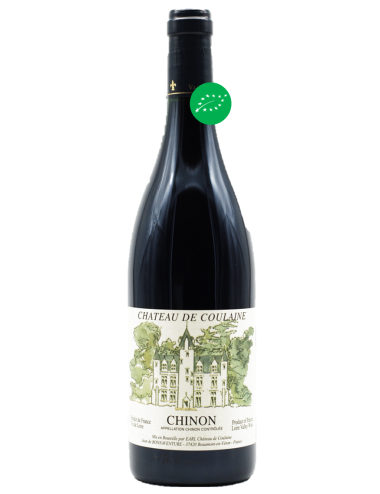

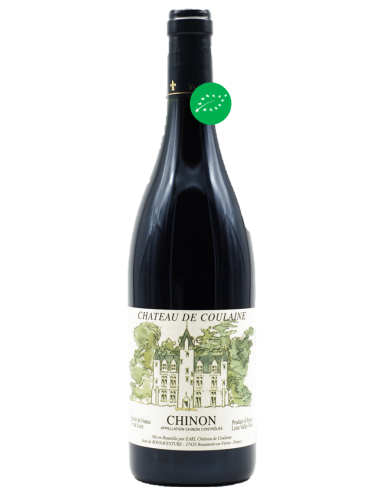
Château de Coulaine
#PROPERTY: History & Terroir
History of Château de Coulaine
Château de Coulaine, a wine estate steeped in history, traces its origins back to the 15th century with the Le Boucher family and the Garguesalles.
Built in 1470 by Jehan de Garguesalles, the present-day château bears witness to a winegrowing tradition already present in the 14th century, as evidenced by the adjacent chapel. François Rabelais emphasized its importance in 1534. Despite the challenges of the phylloxera crisis in the 19th century, the estate passed into the hands of the Denys de Bonnaventure family in the early 20th century. Jacques Denys de Bonnaventure replanted the vineyards between 1950 and 1970, breathing new life into the land. In 1937, the Chinon appellation was created, and Jacques was the first to lay claim to the Chinon wine produced in Coulaine. In 1988, Etienne and Pascale Denys de Bonnaventure modernized the estate, opting for organic farming in 1994. In 2017, after studying agronomy and oenology, the new generation, represented by myself and my wife Tatiana, took over the reins of the family estate, respecting the heritage and cultivating the vines in a sustainable way.
In this way, Château de Coulaine perpetuates an age-old winemaking tradition, combining history and innovation.
The terroir of Château de Coulaine, Beaumont enVeron
The terroir of Château de Coulaine is remarkably diverse, offering a wealth of soils and microclimates that contribute to the complexity and quality of the wines produced.
The clayey gravels, present in the Les Pieds Rôtis and Clos de la Cure cuvées for the Chinon Blancs, are deep and retain water and nutrients well, but require particular attention when working the soil after rain to prevent them from becoming too hard. The millarges, made up of yellow shell sands mixed with silts, are found on the Château de Coulaine and Clos de Turpenay cuvées. Easy to work, these soils have low water retention and encourage rapid grass growth, producing classic, fruity, fresh reds. The clayey sands, present on part of Château de Coulaine and especially on the Bonnaventure cuvée, are heavy and sticky when it rains, but allow good aeration and drainage. They produce powerful wines with pronounced tannins and aromas of ripe fruit and smoke, particularly in hot years. Finally, the clay-limestone soils found in the La Diablesse parcel cuvée are well-balanced and often scattered with pieces of tuffeau, which aerate and warm the soil. These terroirs produce wines of remarkable aromatic complexity and great ageing potential, influenced by the nature of the tuffeau: white for more mineral and precise wines, yellow for more austere and sanguine wines.
Each Château de Coulaine terroir thus makes its own contribution to the diversity and quality of the wines, reflecting the know-how and respect for nature that characterize this historic estate.
#WINES FROM THE ESTATE: Appellations and Cuvées
The Chinon appellation
The Chinon appellation, located in the Loire Valley, is renowned for its red wines made mainly from the Cabernet Franc grape variety, as well as its white wines made from Chenin Blanc. The region stretches along both banks of the Vienne, a tributary of the Loire, and includes the historic town of Chinon and several surrounding villages.
Chinon red wines are renowned for their finesse and ageing potential. They feature aromas of red and black fruits. The white wines, though less common, are also remarkable, offering floral and fruity notes with a beautiful vivacity and minerality. The Domaine is located in Beaumont-en-Véron.
Discover our Chinon wine selection
Château de Coulaine wines
Château de Coulaine offers a diverse range of cuvées, each reflecting the richness and diversity of the estate's terroirs.
White wines :
Sinople Chinon Blanc
Les Pieds Rôtis Chinon Blanc
Rosé wines :
Rosé de Coulaine Chinon Rosé
Red Wines :
La Diablesse Chinon
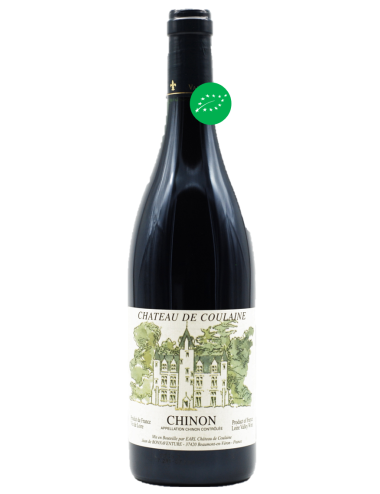
Château de Coulaine Chinon
Bonnaventure Chinon
Clos de Turpenay Chinon
Les Picasses Chinon
Clos de la Cure Chinon
Acadia Vin Doux Naturel
Sinople, from a clay-limestone terroir, has a light, mellow woodiness and balanced acidity, making it a good match for fish and white meats. Les Pieds Rôtis, from clayey gravel, is fresh, fruity and round, a generous fullness to be enjoyed with seafood or white meats, this is a dry white of stature. La Diablesse, from old vines on clay-limestone terroir, is a cuvée for laying down, with soft tannins and fruity notes, ideal with poultry and fish. Château de Coulaine, on sandy-loam soils, is a delicious, fruity wine, easy to match and convivial, with a nose of raspberries and red berries. Bonaventure, grown on yellow tufa and sandstone soils, is full-bodied and saline, with round tannins, perfect for red meats and dishes in sauce, and distinguished by a nose of fresh red fruits. Clos de Turpenay, produced on clay-limestone terroir, is powerful and elegant, excellent with meat and game dishes. Les Picasses, from a clay terroir on white tuffeau, is frank and supple on the palate, ideal for local cuisine. Clos de la Cure, matured in sandstone jars, offers a special dimension thanks to its north-facing clay gravel. Acadia is a natural sweet wine made from grape juice mutated with marc brandy, similar to a ratafia or pineau des Charentes. Finally, Rosé de Coulaine, grown on sand, is dry and fruity, perfect for summer and aperitifs with a flattering nose. Each cuvée reflects our know-how and respect for the terroir, offering a palette of flavors for every palate.
The best vintages of Château de Coulaine wine, Chinon; 2015, 2020, 2022, 2023
The Château de Coulaine candle
The Château de Coulaine candle embodies a creative reinvention of wine bottles, giving new life to these iconic objects. Handcrafted in Anjou, these scented candles captivate with their elegance and originality. Each bottle, once emptied of its precious contents, is carefully transformed into an olfactory work of art, preserving its history and winegrowing heritage. Château de Coulaine candles add a touch of charm and ambiance to any space, subtly diffusing delicate aromas that evoke the landscapes and flavors of the Loire Valley. It's a harmonious fusion of the art of wine and the art of perfumery, inviting you to a unique and refined sensory experience.
How much does Château de Coulaine wine cost?
The price of a bottle of Château de Coulaine wine varies according to several factors, including vintage, cuvée, rarity and market demand. For all online purchases, explore our site to discover a wide range of Château de Coulaine selections.
iN BRIEF: Figures
Region : Loire Valley and Centre
Appellation :
Surface area : 19.5 hectares (16.5 ha Red, 3 ha White)
Red grape varieties : 100% Cabernet franc
White grape varieties : 100% Chenin
Vine culture : Reasoned