



Château Haut-Brion

Château Haut-Brion
#PROPERTY: History & Terroir
Château Haut-Brion in Pessac, winemaking excellence for over five centuries
Château Haut-Brion is a prestigious wine estate located in Pessac, in the Graves wine region near Bordeaux, France. Founded in the 16th century, Château Haut-Brion is one of Bordeaux's oldest wine estates, and is often considered the appellation's first true Grand Cru Classé. It is also one of the few Bordeaux châteaux to be classified in 1855 in both the red and white categories.
Who owns Château Haut-Brion?
Château Haut-Brion, located in Pessac, Gironde, has been owned by the Dillon family since 1935. The Dillon family, originally from Bordeaux, is the originator of the great Haut-Brion vineyard. It is the oldest of Bordeaux's Grands Crus Classés, having been classified in 1855.
The Clarence Dillon estate (Château Haut Brion, Château La Mission Haut Brion...)
The Clarence Dillon Group is a renowned family business that plays a leading role in the Bordeaux wine industry. Founded in 1935 by American businessman Clarence Dillon, the group is currently run by his descendants, perpetuating a legacy of passion for fine French wines.
The Clarence Dillon Group includes several prestigious wine estates, including the famous Château Haut-Brion. Located in Pessac, in the Graves region, Château Haut-Brion is the first of Bordeaux's Grands Crus Classés and is recognized worldwide for the exceptional quality of its red and white wines.
In addition to Château Haut-Brion, the Clarence Dillon Group also owns Château La Mission Haut-Brion, another renowned wine estate located in Pessac, and Château Quintus, an estate located in Saint-Émilion, in the Bordeaux region, which also produces top-quality wines.
The Clarence Dillon Group is renowned for its commitment to excellence, innovation and respect for winemaking traditions. It strives to preserve the unique character of each terroir, while investing in modern winemaking methods to produce exceptional wines that perfectly reflect their origins.
Thanks to meticulous management and know-how handed down from generation to generation, the Clarence Dillon Group continues to produce wines sought after by wine lovers and collectors the world over. It embodies the excellence and authenticity of the Bordeaux terroir, leaving an indelible mark on the region's winegrowing history.
It was at this château that the Claret method was created, which has become the benchmark for great red wines worldwide. This method includes long maceration and ageing, as well as practices such as topping up and racking, resulting in wines that gain in quality over time as they age.
The history of Château Haut Brion
The winegrowing origins of the Haut-Brion estate date back to the middle of the 1st century AD. Recent discoveries on a gravelly hilltop, including a coin bearing the effigy of the Roman Emperor Claudius, have reinforced the Celtic origins of the "Haut-Brion" toponym. At that time, the Romans passed on their knowledge of viticulture to the Bituriges Vivisques, a Gallic tribe who founded Burdigala, the ancestor of Bordeaux. As a result, the Haut-Brion estate has a long history of winegrowing, rooted in the region's Roman and Celtic heritage.
In the 16th century, manuscripts from 1521 and 1526 mention the use of the term "cru" with the names "Aubrion" or "Haulbrion", associated with wine from this terroir.
Jean de Pontac, son of Arnaud I Pontac, contributed to the development of Château Haut-Brion by supervising the construction of the château's north wing in 1550. His marriage to Jeanne de Bellon also brought part of the Haut-Brion wine estate as a dowry. Meanwhile, his sister Marie married Arnaud de Lestonnac, founder of the neighboring château La Mission Haut-Brion, in 1540. These family alliances had a significant impact on the history of these two prestigious wine estates.
In 1533, Jean de Pontac became the owner of Haut-Brion, and his passion for improving viticulture contributed to its renown.
In 1549, he began construction of the present château, located on land carefully chosen for viticulture.
In the 17th century, Arnaud III de Pontac, an erudite humanist and influential politician, helped Haut-Brion prosper in England, creating the "New French Claret", the forerunner of today's red Grands Crus.
In 1660, Charles II of England discovered and appreciated Haut-Brion, contributing to its renown in England.
Samuel Pepys (1633-1703) described the wine in 1663: " I have just tasted a French wine called Ho-Bryan (sic), which has the best and most extraordinary taste I have ever met with".
In 1666, Arnaud III de Pontac opened the "Pontack's Head" tavern in London, where Haut-Brion was served, becoming a meeting place for the intellectual elite.
Joseph de Fumel (1720-1794) undertook major renovation and embellishment work on the château. In particular, he added a magnificent orangery, constructed a building to house the winery and laid out a vast landscaped park. These improvements helped make Château Haut-Brion an even more prestigious and welcoming estate, while preserving its charm and elegance. These additions have also enhanced the estate's reputation as a place of refinement and beauty, in addition to its renown for the exceptional quality of its wines.
In 1787, Thomas Jefferson visited Haut-Brion and recommended it to the United States, contributing to its international renown.
In 1855, Château Haut-Brion was classified "Premier Grand Cru Classé" in the famous Médoc wine classification, becoming the only red vineyard outside the Médoc to receive this distinction.
The estate has changed owners several times over the years, including the Larrieu family and Charles Maurice Talleyrand. In 1935, it was bought by Clarence Dillon, an American investment banker, for 2.3 million francs.
The estate has been run by the Dillon family ever since, with Joan Dillon at the helm of the Domaine Clarence Dillon family empire until 1979. Since 2001, his son, Prince Robert de Luxembourg, has been at the helm of the estate.
In 1923, Château Haut-Brion distinguished itself as one of the few Bordeaux estates to bottle its wines directly on the property.
The Dillons were pioneers in Gironde, introducing the very first tractor, installing stainless steel vats as early as 1961, and launching an innovative program of clonal selection of vine plants.
From 1975 to 2008, the owner's granddaughter, Joan Dillon, undertook a complete renovation of the château's interior, raising its elegance to a level befitting this prestigious historic residence. She collaborated with her husband, the Duc de Mouchy, to run the family business, and in 1991 inaugurated a brand-new vat room.
An exceptional terroir for Château Haut-Brion
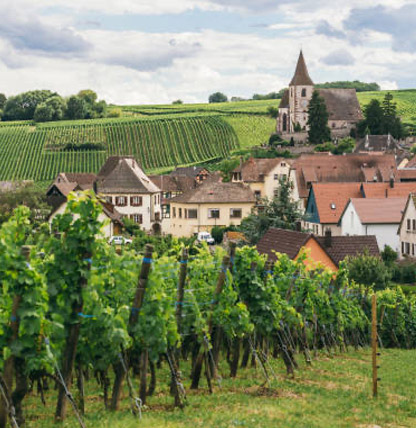
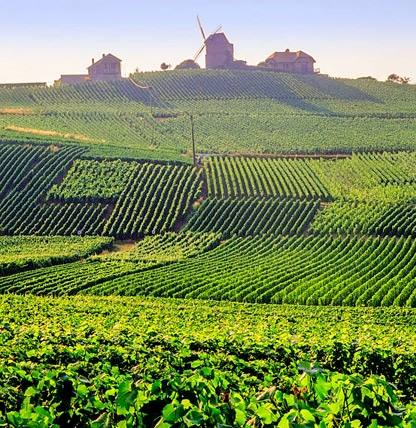
Located in the Bordeaux wine-growing region, Château Haut-Brion's vineyards occupy a prime position southwest of the city of Bordeaux, extending over the communes of Talence and Pessac. This region is renowned for producing some of the world's most prestigious wines, and Château Haut-Brion is no exception.
The Haut-Brion terroir is distinguished by the presence of two neighboring watercourses that stand out from their immediate surroundings. These ridges rise 12 to 15 metres above the levels of the neighbouring rivers, the Peugue to the north and the Ruisseau d'Ars to the south.
The estate is an integral part of the Pessac-Léognan appellation, an internationally renowned region north of the Graves area of Bordeaux.
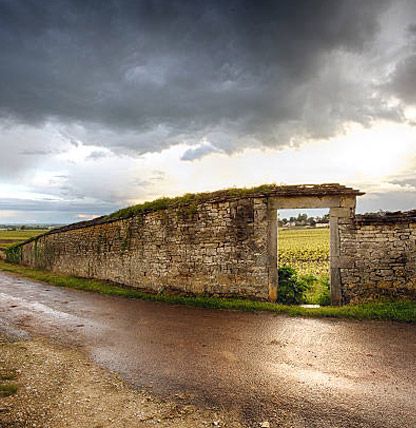
The exceptional quality of Château Haut-Brion's terroir is largely due to its gravelly soils. Composed of small quartz pebbles with varied characteristics, these soils play a fundamental role in the development of high-quality grapes. These gravelly soils rest on a unique subsoil, composed of clay, sand, limestone and falun (shell limestone), whose formation spanned the Tertiary and Quaternary eras, even including glacial periods.
One of the particularities of these gravel layers is their variable thickness, but they create well-exposed ridges that favor optimal natural drainage. This characteristic is reinforced by a well-developed hydrographic network, including small streams such as the Peugue and the Serpent, which meander through the region and eventually empty into the Garonne.
In short, Château Haut-Brion benefits from an exceptional terroir, marked by its unique gravel soils and prestigious winegrowing history within the Bordeaux region, contributing to the production of wines of exceptional quality for centuries.
"The Prestigious Classification of 1855: Château Haut-Brion at the Summit"
At the Exposition Universelle in Paris in 1855, Château Haut-Brion received the rare distinction of being "Premier Grand Cru Classé" in the famous 1855 Classification. This recognition is all the more remarkable in that Château Haut-Brion is the only classified red vineyard outside the Médoc region, which is traditionally associated with the great red wines of Bordeaux.
Château Haut-Brion's red wine is made from a typical blend of Merlot, Cabernet Franc and Cabernet Sauvignon, sometimes with a small proportion of Petit Verdot, depending on the vintage. This wine is distinguished by its elegance, aromatic complexity and persistence on the palate. It has a distinctive minerality that gives it a unique personality.
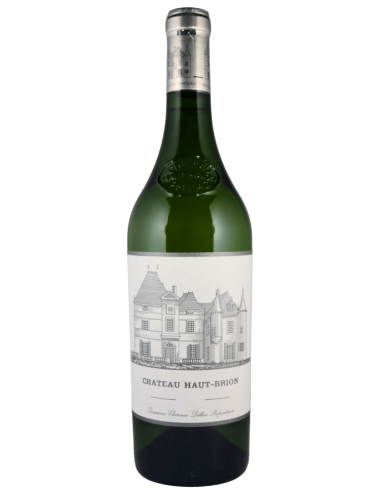
In addition to its renowned red wine, Château Haut-Brion also produces an exceptional white wine. This white wine is made from a blend of Sémillon and Sauvignon Blanc grapes. It seduces with its aromatic richness, density on the palate and long finish. Château Haut-Brion white wines are prized for their elegance and ability to age gracefully.
In addition to its main wines, Château Haut-Brion offers a second red wine called Le Clarence de Haut-Brion, which offers a more accessible approach to the estate's wines. In collaboration with Château La Mission Haut-Brion, Château Haut-Brion also produces a second white wine called Clarté de Haut-Brion, which offers a refined alternative for white wine lovers.
Together, these wines testify to the excellence and diversity of Château Haut-Brion, which continues to shine among the greatest names in the world of wine.
Why Haut-Brion?
Château Haut-Brion, Bordeaux's oldest Grands Crus, takes its name from the gravelly terrace between the Serpent and Peugue streams. Located entirely within the city of Pessac, this estate has a rich history spanning many centuries.
Larrivet Haut-Brion, another owner
Château Larrivet Haut-Brion and Château Haut-Brion do not have the same owner, nor are they related. It is located in the commune of Pessac-Léognan, at the south-western end of the wine-growing region. The wine produced is highly sought-after by wine lovers.
#VINS DU DOMAINE : Appellations and Cuvées
The Pessac-Léognan appellation
The Pessac-Léognan appellation was only officially established in 1987, a relatively recent date compared to many other appellations d'origine which were created as early as 1935. However, it's important to note that the reputation of the region's wines has much older roots. An eloquent example of this long winemaking tradition is the presence of Château Haut-Brion, which was distinguished as early as 1855 in the Médoc Wine Classification, testifying to the exceptional quality of its wines.
This early recognition of Château Haut-Brion in a prestigious classification illustrates the rich winemaking history of the Pessac-Léognan region. It also attests to the consistency and excellence that have long characterized wine production in this part of the Bordeaux region. Despite its relatively recent creation as an official appellation, Pessac-Léognan can look back on a centuries-old tradition of producing wines of exceptional quality, a tradition that continues to flourish and is the pride of the region.
Discover our full range of Pessac-Léognan wines
Château Haut-Brion vintages
Here's the range of Château Haut-Brion fine wines:
- Château Haut-Brion Red
- Château Haut-Brion White
- Le Clarence de Haut-Brion
- La Clarté de Haut-Brion
All about these wines
Château Haut-Brion Rouge, an exceptional wine distinguished by its elegance, minerality and exceptional length. Château Haut-Brion Rouge is made from a meticulous blend of grape varieties, including Merlot, Cabernet Sauvignon and occasionally a small amount of Petit Verdot. This combination offers a complex aromatic richness, from dark plum and blackcurrant to graphite and olive.
Château Haut-Brion Blanc: A Rarity and Excellence among Bordeaux's Exceptional White Wines. Château Haut-Brion Blanc is made from Sémillon and Sauvignon grapes, giving it a rich, complex aromatic palette. Hints of candied lemon, lime blossom and vanilla pear create a wine of great finesse and elegance.
Clarence de Haut-Brion, a red wine and second wine of Domaine Clarence Dillon, offers elegance and style similar to Château Haut-Brion. Formerly known as Château Bahans Haut-Brion, it was renamed Le Clarence de Haut-Brion in 2007 as a tribute to Clarence Dillon, who bought the property in 1935. This wine is a blend of Cabernet and Merlot, offering tobacco and black fruit aromas.
La Clarté de Haut-Brion is a white wine from two legendary estates, Château Haut-Brion and Château La Mission Haut-Brion, made from grapes grown on the Haut-Brion terroir. La Clarté de Haut-Brion is made from a blend of two main grape varieties, Sauvignon and Semillon. This marriage of grape varieties gives the wine a highly interesting aromatic palette. You'll discover notes of mango, peach and green apple.
What's the second wine of Château Haut-Brion? La Clarence de Haut Brion, formerly Bahans Haut-Brion
Château Haut-Brion's second wine is called "Le Clarence de Haut-Brion", formerly known as Bahans Haut-Brion. This wine comes from the same vineyards as the grand vin, but generally from younger vines or less prestigious plots. "Le Clarence de Haut-Brion" is made with the same skill and attention to detail as the grand vin, offering a refined, elegant yet more affordable taste experience.
Château Haut-Brion Rouge
Château Haut-Brion Rouge is a prestigious, powerful and refined wine, reflecting the unique terroir from which it comes. With its aromas of ripe red and black fruits, and subtle notes of tobacco, cedar and spices, this red wine appeals to connoisseurs the world over. Château Haut-Brion Rouge is also known for its exceptional ageing potential, improving with age and developing even more complex nuances.
Château Haut-Brion White
Château Haut-Brion Blanc is an exceptional white wine, renowned for its freshness, liveliness and subtle aromas of citrus, white flowers and exotic fruit. This refined white wine is aged in barrels, giving it structure and a creamy texture on the palate. Like the red wine, Château Haut-Brion Blanc is also appreciated for its ageing potential, improving over time to offer an increasingly sophisticated taste experience.
Château Haut-Brion's exceptional vintages
Throughout its history, Château Haut-Brion has produced many exceptional vintages that have marked the history of Bordeaux wines. Château Haut-Brion's outstanding vintages include :
1989, 2000, 2005, 2009, 2010, 2015
Is it possible to visit Château Haut Brion?
Visits will resume after a major renovation phase. However, it is still possible to request tours of the group's other properties.
Price and availability of Château Haut-Brion
Château Haut-Brion is a legendary wine, and this is reflected in its price. The cost of a bottle of Château Haut-Brion varies according to vintage, cuvée and bottle size. Prices can range from a few hundred euros for recent vintages to several thousand euros for older vintages and special formats. Château Haut-Brion is available to buy online on our website.
#IN BRIEF: Figures
Region : Bordeaux
Appellation : Pessac-Léognan
Surface area : 51 Hectares (48 Hectares red and 3 Hectares white)
Red grape varieties: Merlot, Cabernet Sauvignon, Cabernet Franc, Petit Verdot
White grape varieties: Semillon, Sauvignon Blanc and Sauvignon Gris
Vine-growing methods: Integrated cultivation, insecticides