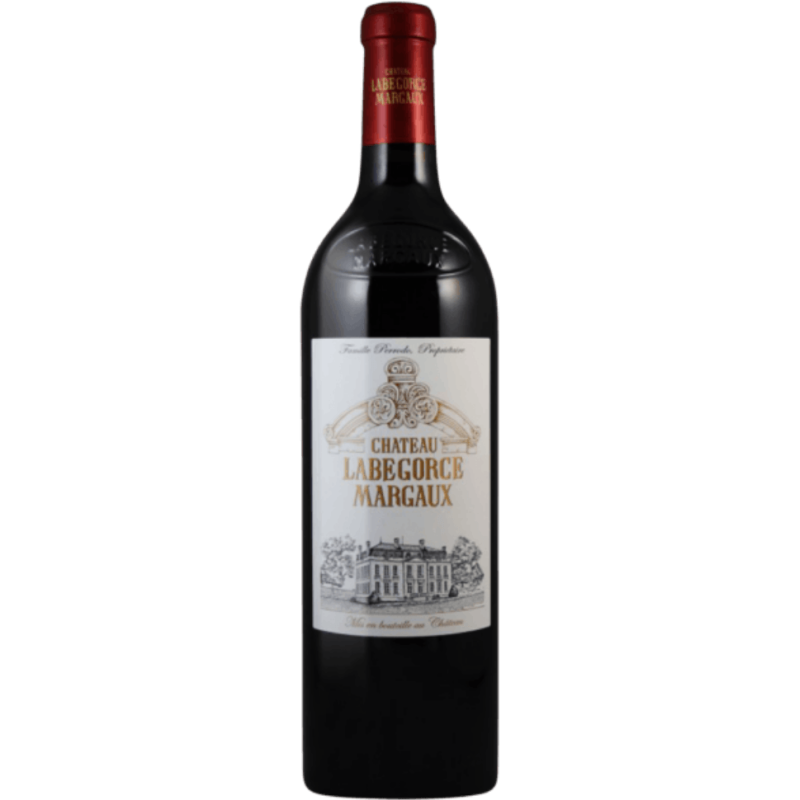
Château Labegorce


Château Labegorce 2017 75 cl

€20.79 0.00 33.000000
33.00€ €20.79
In stock
In Stock

Château Labegorce 2020 75 cl

€21.83 0.00 0.000000
€21.83
In stock
In Stock

Château Labegorce 2021 75 cl

€22.33 0.00 33.000000
33.00€ €22.33
In stock
In Stock

Château Labegorce 2019 75 cl

€22.33 0.00 0.000000
€22.33
In stock
In Stock

Château Labegorce 2018 75 cl

€25.33 0.00 36.000000
36.00€ €25.33
In stock
In Stock

Château Labegorce 2022 75 cl

€29.83 0.00 0.000000
€29.83
In stock
In Stock

Château Labegorce 2016 75 cl

€34.13 0.00 50.000000
50.00€ €34.13
In stock
In Stock

Château Labegorce 2016 150 cl

€58.83 0.00 0.000000
€58.83
In stock
In Stock

Château Labegorce 2016 150 cl

€58.83 0.00 0.000000
€58.83
In stock
In Stock

Château Labegorce Magnum 2015 150 cl

€66.63 0.00 100.000000
100.00€ €66.63
In stock
In Stock

Château Labegorce 2015 150 cl

€66.63 0.00 100.000000
100.00€ €66.63
Last items in stock
Only 1 In Stock

Château Labegorce 2016 600 cl

€375.83 0.00 0.000000
€375.83
Last items in stock
Only 9 In Stock

Château Labegorce Balthazar 2016 1200 cl

€792.50 0.00 0.000000
€792.50
Last items in stock
Only 3 In Stock

Château Labégorce

#PROPERTY: History & Terroir

History of Château Labégorce

The history of Château Labégorce dates back to 1332, when the Gorsse family settled here in the Middle Ages. It was named in honor of Abbé Gorce, a prominent figure of the time.

In the 19th century, under the management of Mr Fortuné Beaucourt, the estate underwent significant development.

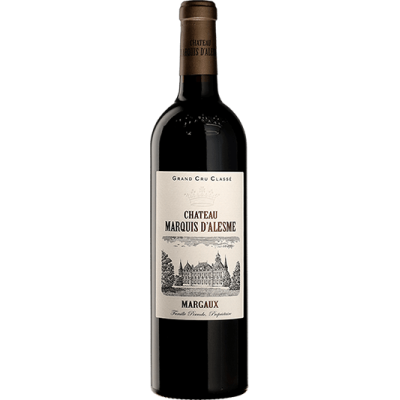
In 1989, Hubert Perrodo acquired the château with the intention of combining three estates. After his death, his daughter Nathalie Perrodo-Samani took over, continuing the family tradition. Together with oenologist Marjolaine Maurice de Coninck, she has continued the family tradition while expanding the estate, notably with the acquisition of Château L'Abbé Gorsse de Gorsse in 2002 and the Labégorce Zédé vineyard in 2005, as well as Château Giscours. In 2006, the Perrodo family also acquired Château Marquis d'Alesme, Margaux's Third Grand Cru Classé, again with the aim of making this wine one of the appellation's flagships.

Who owns Château Labégorce?

Today, Nathalie Perrodo is the owner of Château Labégorce, a key figure in the management and development of this wine estate. Her commitment to quality and tradition is reflected in her constant efforts to maintain and enhance the estate's reputation. While Nathalie embodies the family's continuity and passion for wine, Marjolaine Maurice de Coninck, as General Manager, plays an essential role in the day-to-day running of the estate.

The Perrodo family owns Château Giscours, Château Marquis d'Alesme and Châteaux Labégorce.

Château Labégorce terroir

Located in the commune of Margaux, Château Labégorce is one of the finest in the region. Its terroir offers a diversity of soils that contribute to the complexity and richness of the wines produced.

Around 70% of the soils are sandy-gravel, characterized by a light, permeable texture that allows good drainage, favoring root development in the vines. This soil composition gives the wines an elegant structure and aromatic finesse.

The remaining 30% is made up of sandy-loam soils, which offer slightly higher water retention, enabling the vines to withstand periods of summer drought while maintaining a good water balance. These soils contribute to the depth and complexity of the wines, adding further nuances to the aromatic and taste characteristics.

#WINES OF THE DOMAIN: Appellations and Cuvées

Margaux appellation

The Margaux appellation is one of the most prestigious in Bordeaux, located in the Médoc region. It is renowned for its elegant, fine red wines, mainly made from Cabernet Sauvignon. Margaux's soils are characterized by a combination of gravel, sand and clay, offering ideal conditions for viticulture. Margaux wines are distinguished by their finesse, aromatic complexity and ageing potential.

Discover our full range of Margaux wines

What is a Margaux wine?

A Margaux wine is a red wine produced in the Margaux appellation d'origine contrôlée (AOC), located in the Médoc wine region of southwestern France. These wines are mainly made from the Cabernet Sauvignon grape variety, with additions of Merlot, Cabernet Franc, Petit Verdot and possibly Malbec.

What does this have to do with Château Margaux?

None at all. Although located in the same Margaux appellation in the Bordeaux region, these two châteaux are distinct entities, with their own owners, winemaking processes and wine styles.

Château Labégorce cuvées

Château Labégorce Margaux
Zédé de Labégorce

Château Labégorce: This is the estate's main cuvée, produced from the vines on the château's estate. This cuvée generally benefits from the best grapes selected from the vineyard's most prestigious plots. The wine is carefully crafted to reflect the specific character of the Labégorce terroir, and is often considered the flagship of the estate.

Zédé de Labégorce: This cuvée is generally considered the estate's second label. It may come from younger vines or less prestigious plots in the vineyard. The wine may be made in a more accessible style and ready to drink earlier than the main cuvée. While Zédé de Labégorce can offer excellent quality, it is often more affordable and designed to be enjoyed in its youth.

While Château Labégorce represents the pinnacle of the range, with an emphasis on quality and ageing potential, Zédé de Labégorce offers a more accessible, easy-drinking option, while maintaining the high quality standards associated with the estate.

Château Labégorce's best vintages: 2014, 2015, 2016, 2017, 2018, 2019, 2020, 2021, 2022

#IN BRIEF: Figures

Region: Bordeaux
Appellation : Margaux
Surface area : 70 Hectares (100% Red)
Red grape varieties : Cabernet-Sauvignon (50%), Merlot (45%), Cabernet franc (3%), Petit Verdot (2%)
Vine cultivation : Raisonnée