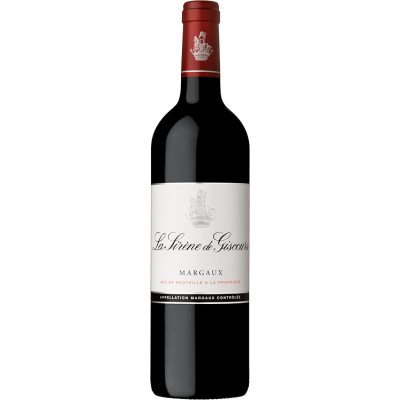
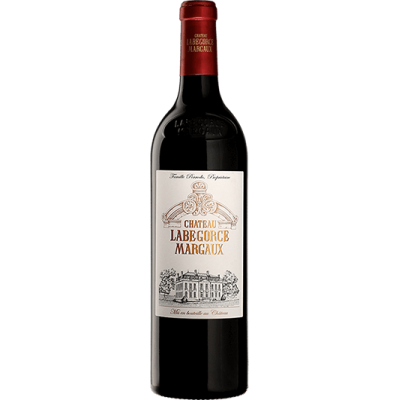
Margaux
Margaux
#TERROIR: Soil, Climate, Geography, History
The history of Margaux
The history of the Margaux appellation is deeply rooted in time, dating back to Gallo-Roman times when the first vines were cultivated in the region. However, it was in the 17th century that the real transformation of the vineyard took place, thanks to major initiatives such as the drainage undertaken by Dutch engineers under the reign of Louis XIII. This period marked the beginning of a remarkable rise for Margaux wines, concentrated around the seigneuries and the Prieuré de Cantenac.
By the 18th century, the reputation of Margaux wines had already reached new heights, making the region one of Bordeaux's most famous on the international wine scene. This success continued over the following centuries, despite political and economic changes, with farmers gradually taking over from the great seigneurs in the management of the vineyards.
In 1954, the Margaux appellation d'Origine Contrôlée was officially recognized, consecrating the region's exceptional viticultural heritage. Since then, the vineyard has grown to some 1500 hectares, home to a variety of estates, from the most modest to the largest, each carrying the history and traditions handed down through the generations.
Great families such as Ginestet, Lurton, Lichine and Zuger have played a crucial role in the international renown of Margaux wines, helping to consolidate and perpetuate the region's winegrowing heritage. Their commitment and passion have not only shaped the history of Bordeaux winegrowing, but have also contributed to making Margaux a world-renowned appellation, synonymous with excellence and unrivalled quality in the world of wine.
Where is the Margaux Appellation?
The Margaux appellation is one of the famous wine appellations of the Bordeaux region, located on the left bank of the Garonne River, 25 kilometers north of Bordeaux. More precisely, it covers the communes of Arsac, Labarde, Margaux-Cantenac and Soussans. The region is renowned for producing high-quality red wines, mainly from the Cabernet Sauvignon grape variety, as well as other grape varieties such as Merlot, Cabernet Franc and Petit Verdot.
Terroir of Margaux, Bordeaux
The terroir of Margaux, in the Bordeaux wine region, is renowned for its diversity and complexity, which contributes to the variety and quality of the wines produced in this prestigious appellation. Indeed, the Margaux appellation includes many of the 61 crus classified in the famous 1855 classification, testifying to the historic renown and exceptional quality of the region's wines.
The Margaux terroir is characterized by a soil composed mainly of gravel, silt and sand, resting on a layer of limestone or clay. This combination of soils provides ideal conditions for vine-growing, allowing good drainage, adequate water retention and optimal exposure to sunlight.
The gravel and silt plateau is particularly well-suited to the Cabernet Sauvignon grape variety, which is widely grown in the region and contributes to the identity of Margaux wines. These soils enable the vines to produce high-quality grapes, rich in aromas and tannins, which give rise to elegant, complex and well-balanced wines.
The presence of limestone or clay beneath the surface layer of gravel and silt also brings additional nuances to the wines produced in this region, influencing structure, minerality and texture.
#APPELLATION: Classification and Structure
Classification of Margaux wines
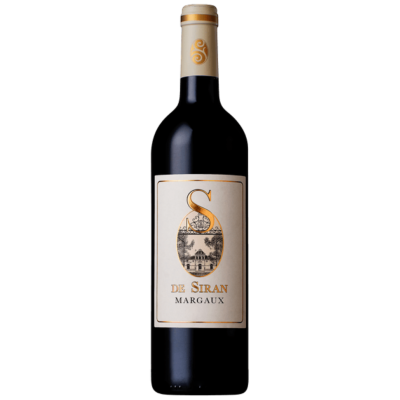
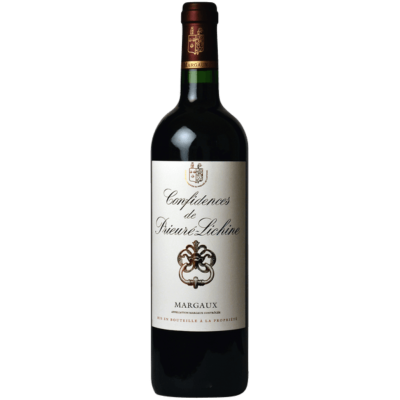
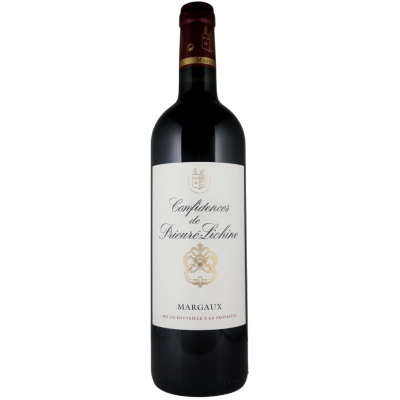
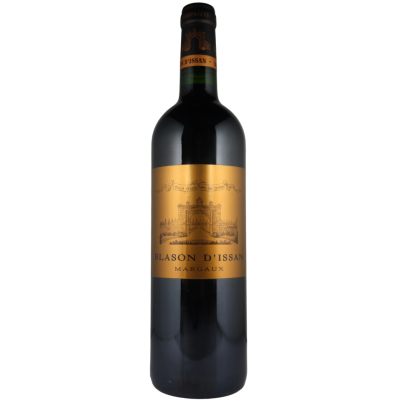
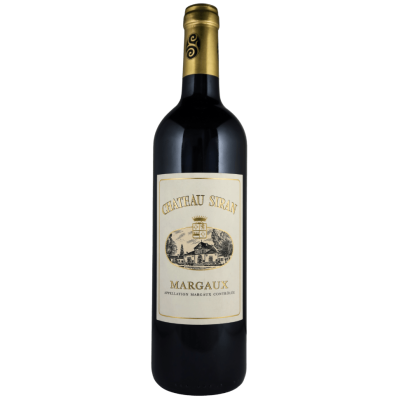
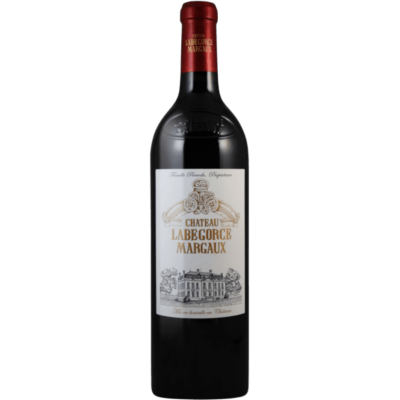
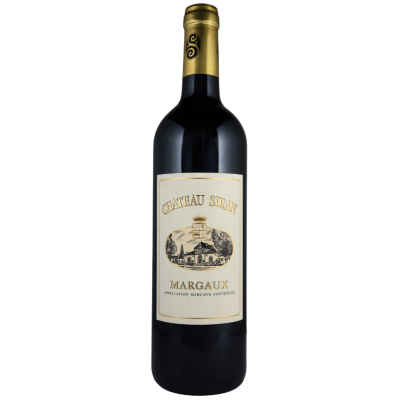
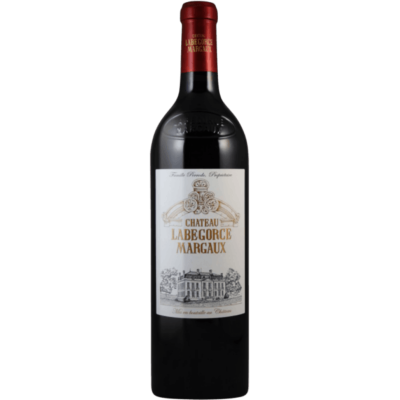
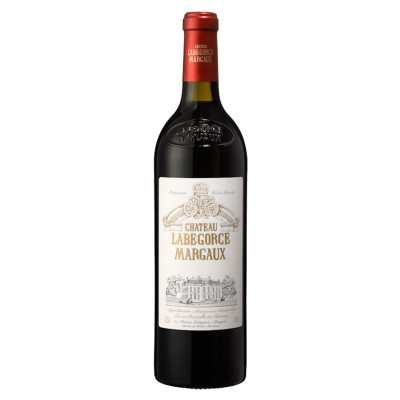
Among the appellation's Grands Crus Classés en 1855 Margaux appellationsome names are legends in the wine world. The prestigious Château Margauxpremier Grand Cru Classé, embodies the excellence and quintessence of the Margaux terroir. Alongside it, renowned estates such as Château Brane-Cantenac, Château d'Arsac, Château d'Issanand Château Giscours represent the apogee of the region's winemaking art. Not forgetting Château Labegorce and Château Lascombeswhich add their own distinctive touch to this palette of exceptional wines. Among the newer but equally respected names, Château Marojallia and Château Marquis d'Alesme stand out for their commitment to quality and innovation. Last but not least, Château Prieuré-Lichine and Château Siran complete this exclusive selection of renowned estates, each offering unique wines that bear witness to the exceptional Bordeaux heritage of the Margaux appellation.
Margaux's main grape varieties
The emblematic Médoc grape varieties grown in the Margaux appellation are essential in defining the style and quality of the wines produced in this prestigious Bordeaux region. Here is a list of the main grape varieties used in Margaux:
Cabernet Sauvignon is considered the king of Margaux grapes, accounting for around 60% of the area planted in this appellation. Cabernet Sauvignon brings complex aromas of blackcurrant, black cherry, graphite and tobacco, as well as firm tannins and deep structure to Margaux wines.
Although less dominant than Cabernet Sauvignon, Merlot also plays a significant role in the blending of Margaux wines. It contributes a silky texture, ripe red fruit aromas and a certain roundness and softness on the palate.
This variety is often used to complement Cabernet Sauvignon and Merlot in Margaux blends. It contributes red and black fruit aromas, as well as floral and spicy notes.
Although planted in smaller quantities, Petit Verdot adds complexity and structure to Margaux wines. It can bring aromas of violets, pepper and licorice, as well as intense color and refreshing acidity.
Malbec can be used in small quantities in certain blends to bring color, richness and dark fruit aromas to the wines.
#A L'AVEUGLE :
What does Margaux taste like?
Margaux is renowned for its complex bouquet, offering a rich and varied palette of aromas.
Notes of red fruits such as raspberry, cherry and redcurrant can be detected. These aromas give the wine a sensation of freshness and liveliness on the palate. Floral nuances may also be present, adding a further aromatic dimension to the wine. Delicate floral scents such as violet can be detected, contributing to the complexity of the bouquet.
As they age, Margaux wines can develop roasted nuances, such as coffee, cocoa or tobacco. These aromas often come from aging in oak barrels, and add an extra dimension to the wine's complexity.
Margaux is an elegant, refined wine, characterized by its complex, harmonious bouquet. Fruity, floral, spicy and roasted aromas combine to offer a captivating sensory experience, with a refined structure, silky tannins and a lingering finish. It's this complexity and finesse that make Margaux one of Bordeaux's most prized appellations.
What dish to serve with a Margaux? What food and wine pairing?
Because of its elegant structure, fine tannins and complex aromas, a Margaux goes well with a variety of dishes, including red meats, poultry and cheeses. Here are some suggestions for food and wine pairings with a Margaux:
Margaux goes perfectly with grilled or roasted red meats such as beef, lamb or game. Try a filet mignon, roast beef or prime rib with mushroom sauce. Poultry meats such as roast or confit duck, guinea fowl, roast chicken or with Pauillac suckling lamb, fillet of beef with duck foie gras or entrecôte bordelaise are also good choices with a Margaux, especially if accompanied by rich, flavorful sauces. Soft or washed-rind cheeses such as Brie, Camembert or Munster go well with Margaux wines. You can also try hard cheeses such as Comté or aged Cheddar. Pasta dishes with meat or mushroom sauces can also be a good companion for a Margaux, especially if enhanced with parmesan or pecorino. Flavor-rich vegetarian dishes such as mushroom risottos, grilled vegetables or lentil-based dishes can also be accompanied by a Margaux, bringing a nice complexity to the whole.
In general, food and wine pairing with a Margaux is based on dishes that are rich in flavor, but not too dominant, allowing the wine to express itself fully while enhancing the characteristics of the dish.
#VINE GROWERS :
What are the best wines in Margaux, Médoc?
Margaux boasts a considerable number of wineries, 67 in all. Each contributes to the diversity and richness of the wines produced in the region. The estates in Margaux vary considerably in size, from less than 1 hectare to over 100 hectares. This diversity reflects the varied structure of the region's wine industry.
The Margaux appellation includes several châteaux classified in the famous 1855 classification, which recognizes the best Médoc crus. These Grands Crus Classés are among the most prestigious in the world. Margaux is also renowned for its Grands Classés, wines that embody the excellence and tradition of the appellation. In addition to the Grands Crus Classés, Margaux also boasts Crus Bourgeois and Crus Artisans, which represent high quality standards and offer a diversity of styles and prices. Here's a list of the Margaux appellation's most renowned producers
Château d'Arsac
Château d'Angludet
Château Brane-Cantenac
Château Giscours
Château d'Issan
Château Kirwan
Château Labegorce
Château Lascombes
Château Margaux
Château Marsac Seguineau
Château Marojallia
Château Marquis d'Alesme
Château Palmer
Château Prieuré-Lichine
Château Rauzan-Gassis
Château Rauzan-Ségla
Château Siran
Some of Margaux's châteaux open their doors to visitors all year round, offering wine lovers the chance to get up close and personal with the vineyards, cellars and wines of the appellation.
The particularity of AOC Margaux wines
In 1855, at the Paris Universal Exhibition, the Margaux appellation was elevated to the rank of one of Bordeaux's premier grands crus by the Classification de Bordeaux, an initiative launched at the request of Napoleon III. Since then, Margaux wines have always been recognized for their generosity, elegance, complexity, power and great aromaticity. With their remarkable ageing potential, these wines can be kept for between 10 and 20 years, or even longer for certain crus and great vintages.
Over the years, a Margaux wine is transformed, developing incomparable finesse, aromatic complexity and remarkable presence on the palate. After ageing, its tannic structure becomes elegant, fine and supple, offering a magnificent length on the palate that enhances its complex bouquet. The latter exhales notes of sweet spices such as vanilla, vegetal aromas of truffle, animal nuances of musk, as well as hints of roasting evoking coffee and toast.
When you look at this wine in the glass, its dense, intense red color evokes the depth of its flavors, with garnet-red, slightly purplish highlights. This captivating color is the prelude to a rich, bewitching sensory experience, characteristic of the prestigious wines of the Margaux appellation.
The Margaux appellation and Château Margaux
The Margaux appellation designates a specific wine-growing region in the Médoc, while Château Margaux is one of the appellation's most renowned and prestigious estates. Château Margaux is an emblematic example of the quality and excellence of the wines produced in the Margaux appellation, but there are many other wineries that also contribute to the reputation and renown of this appellation.
#MILLÉSIMES : Margaux's outstanding vintages
What are the best years for Margaux?
Margaux's best vintages; 2014, 2015, 2016, 2019, 2020, 2022, 2023
What is the price of a bottle of AOC Margaux red wine?
The price of a bottle of AOC Margaux varies according to several factors, including the vintage, the cuvée, its rarity and market demand. Older vintages and special cuvées can often fetch higher prices due to their prestige and ageing potential. For all online purchases, explore our site to discover a wide range of AOC Margaux selections.
#IN BRIEF: Figures
Region: Bordeaux
Surface area : 1,530 Hectares
Red grape varieties : Cabernet Sauvignon Malbec Petit Verdot Merlot
Aromas: The bouquet is complex, offering fruity aromas of raspberry, cherry and redcurrant, accompanied by floral, spicy nuances and roasted notes.